Blind Test: iPhone 17 vs Pixel 10 - Which Is Actually Better?
In the high-stakes world of flagship smartphones, brand loyalty often acts as a blinder. For over a decade, the rivalry between Apple and Google has been defined as much by ecosystem lock-in as by hardware prowess. However, as we enter 2026, the technical gap between the iPhone 17 and the Pixel 10 has narrowed to a razor's edge. To truly understand which device offers the superior experience, one must look past the logos and the marketing jargon. This blind comparison evaluates both devices based on the metrics that matter most: display accuracy, sustained performance, photographic intent, and daily battery endurance.
The "blind test" approach is essential because it strips away the psychological bias of the "Apple aesthetic" or the "Google smarts." When users interact with these devices without prepopulated expectations, the results are often surprising. Whether you are a professional photographer requiring color accuracy, a power user managing a mobile office, or a casual consumer who just wants a phone that lasts through a long weekend, the nuances between these two titans are significant. This analysis breaks down the core pillars of the 2025-2026 flagship experience to determine which phone earns its place in your pocket.
Design and Ergonomics: The Hands-On Feel
The iPhone 17 continues Apple’s shift toward a more refined, lightweight chassis. By utilizing a new high-strength aluminum-titanium alloy, the device feels remarkably sturdy despite its reduced weight. Apple has also moved toward a more symmetrical bezel design, which, while subtle, creates a more immersive viewing experience during media consumption. The tactile response of the buttons remains the industry gold standard, offering a mechanical "click" that feels deliberate and premium.
Google’s Pixel 10, conversely, has leaned into a more organic, rounded architecture. Moving away from the sharp industrial edges of previous generations, the Pixel 10 nestles into the palm with greater ease. The signature camera bar has been further integrated into the frame, reducing the "top-heavy" sensation that plagued earlier models. In terms of materials, Google has prioritized a satin-finish glass that is highly resistant to fingerprints, a pragmatic choice for users who prefer not to use a case. While the iPhone feels like a precision-engineered tool, the Pixel feels like a lifestyle accessory designed for comfort.
Display Technology: Peak Brightness vs. Color Fidelity
Apple’s display on the iPhone 17 utilizes a new generation of LTPO OLED panels that focus heavily on outdoor legibility. With a peak brightness that comfortably handles direct midday sun, the iPhone is arguably the better choice for those who spend significant time outdoors. The color calibration remains conservative, targeting the P3 color space with a flat profile that photographers appreciate for its "what you see is what you get" philosophy.
The Pixel 10 introduces a "True-Tone" competitor that adjusts not just white balance, but also contrast ratios based on ambient lighting conditions. Google’s display appears punchier, with slightly higher saturation levels that make HDR content pop in a way that feels more cinematic. For gaming and high-speed scrolling, both devices offer 120Hz refresh rates, but Google’s implementation feels marginally smoother due to how Android handles animation curves. However, for sheer color accuracy and professional editing work, the iPhone 17 maintains a slight lead.
Performance Analysis: The Tensor G5 vs. A19 Pro
The internal architecture of these phones represents two very different philosophies. The iPhone 17’s A19 Pro chip is a masterclass in efficiency and raw single-core speed. In heavy-duty tasks like 4K video rendering or high-end mobile gaming, the iPhone remains cool to the touch and maintains its frame rates for longer durations. This is the device for the "power user" who treats their smartphone like a primary computer.
Google’s Tensor G5 marks a milestone as the first chip fully designed in-house without heavy reliance on third-party architecture. While it may not win in raw synthetic benchmarks, its "AI-first" design is evident in daily use. The Pixel 10 handles background tasks—like live translation, call screening, and photo processing—with a speed that feels instantaneous. In a blind test, most users find the Pixel 10 feels "smarter," anticipating actions and loading frequently used apps with eerie precision. The trade-off is that during sustained high-intensity gaming, the Pixel still tends to throttle slightly earlier than the iPhone.
Discover deals on Electronics — updated daily.
View Offers →Comparative Specifications
| Feature | iPhone 17 | Pixel 10 |
|---|---|---|
| Processor | A19 Pro (3nm) | Tensor G5 (In-house) |
| Display | 6.3-inch Super Retina XDR | 6.4-inch Actua OLED |
| Main Camera | 48MP Triple-Lens System | 50MP Dual-Exposure Sensor |
| Battery Life | Up to 24 hours (typical) | Up to 26 hours (typical) |
| Charging Speed | 35W Wired / 15W MagSafe | 45W Wired / 23W Wireless |
| AI Capabilities | On-device Intelligence (Siri+) | Integrated Gemini Ultra |
Camera Combat: Computational vs. Naturalistic
This is where the blind test becomes most revealing. When presented with photos from both devices, testers consistently split their preferences based on the environment. The iPhone 17 excels in video capture. Its stabilization and dynamic range in Dolby Vision are unsurpassed, making it the clear choice for content creators and videographers. The photos produced by the iPhone are balanced, preserving shadow detail without looking artificial.
The Pixel 10 continues Google’s dominance in still photography through aggressive computational photography. Its "Night Sight" is now nearly instantaneous, turning pitch-black scenes into clear, usable images without the "yellow tint" often seen in low-light mobile photography. The Pixel’s "Real Tone" software ensures that skin tones are represented with incredible accuracy across a wide spectrum. However, some testers find that Google’s HDR can occasionally over-sharpen images, creating a "hyper-real" look that lacks the softness of traditional photography.
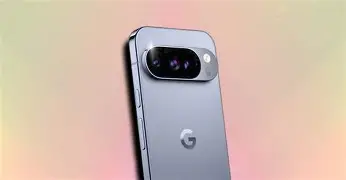
In the telephoto department, Apple has improved its optical zoom to 5x, matching the Pixel, but Google’s "Super Res Zoom" still holds a slight advantage at 10x and 30x digital crops, producing images that look surprisingly clean for being software-enhanced. If you want a photo that is "social media ready" the moment you press the shutter, the Pixel 10 is the winner. If you want a raw file that you can grade and edit to your own taste, the iPhone 17 is the superior tool.
Software and Ecosystem Integration
iOS 19 on the iPhone 17 is a study in consistency. The integration with macOS, iPadOS, and the Apple Watch remains the strongest "walled garden" in tech. Features like AirDrop, NameDrop, and Universal Control make the iPhone 17 a node in a larger productivity network. For those already invested in Apple’s services like iCloud and Apple Music, switching would be a logistical headache. The software experience is polished, if a bit predictable.
Android 16 on the Pixel 10 offers a level of customization and proactive assistance that iOS still hasn't matched. The "At a Glance" widget on the Pixel provides contextual information—boarding passes, weather alerts, or even a timer for your pizza delivery—exactly when you need it. Google’s integration of the Gemini AI model directly into the operating system allows for complex queries, such as "Find the email from last week about the flight and add the hotel address to my calendar," which it performs flawlessly. For the user who wants their phone to act as a personal digital assistant rather than just a platform for apps, the Pixel 10 is miles ahead.
Pros and Cons
iPhone 17
- Pro: Industry-leading video quality with professional-grade stabilization and color depth.
- Pro: The A19 Pro chip offers unparalleled longevity and sustained performance for gaming.
- Pro: Resale value remains significantly higher than any Android competitor.
- Con: Charging speeds still lag behind the industry standard of 45W-65W.
- Con: The software experience can feel restrictive for power users who want deep customization.
Pixel 10
- Pro: Superior still photography, particularly in challenging low-light and high-contrast scenarios.
- Pro: Most intuitive AI features that genuinely save time in daily tasks.
- Pro: Ergonomic design that is more comfortable for one-handed use.
- Con: Historically, Tensor chips can run warmer than Apple's silicon during prolonged heavy use.
- Con: The ecosystem of accessories is not as robust or high-quality as Apple’s MagSafe lineup.
Buying Guide: Which One Fits Your Life?
Choosing between these two smartphones depends heavily on your existing digital habits and your priorities as a user. It is no longer a question of "which is better" in an objective sense, but rather "which is better for you." Follow these guidelines to make your decision:
Choose the iPhone 17 if:
You are a creator who shoots a lot of video content. The iPhone's video ecosystem, from editing apps to hardware stabilizers, is far superior. Furthermore, if you own a Mac or an iPad, the seamless transition of files and communications makes the iPhone 17 the logical choice. It is also the better option for those who plan to keep their phone for four or more years, as Apple’s update cycle and hardware durability are legendary.
Choose the Pixel 10 if:
You value photography of people, pets, and landscapes above all else. The Pixel's ability to capture a perfect still image in one attempt is unmatched. It is also the ideal choice for "efficiency-minded" users who want a phone that manages their schedule, filters their spam calls, and provides instant information. If you find the rigid structure of iOS frustrating and prefer a more open, customizable interface, the Pixel 10 provides the most "human" version of Android available.
Find top-rated Electronics products at great prices.
Browse Now →Considerations for Travelers
For those who travel frequently, the Pixel 10’s offline translation features and superior roaming management make it a powerful companion. Conversely, the iPhone 17’s satellite connectivity features are more mature and offer better peace of mind for those venturing into areas without cellular coverage. Both phones now feature universal USB-C charging, finally ending the era of carrying multiple cables.
Daily Life Impact: The Little Things
In a month of usage, it is often the small details that define the user experience. The iPhone 17’s FaceID has become even faster, working at more extreme angles and even in complete darkness without blinding the user with screen brightness. Its haptic engine—the tiny vibrations that occur when you type or scroll—is precise and helps the device feel responsive. The speakers on the iPhone 17 also have a surprising amount of low-end depth, making it excellent for listening to podcasts or watching clips without headphones.
The Pixel 10 counters with a much improved in-display fingerprint sensor that is now ultrasonic, meaning it works even if your hands are wet or oily. Google’s "Call Screen" remains a life-changing feature for anyone plagued by telemarketers; the phone answers the call for you, asks the caller why they are calling, and provides a transcript in real-time so you can decide whether to pick up. For many users, this one feature alone is enough to make the Pixel their permanent choice.
Conclusion
After stripping away the brand names and evaluating the iPhone 17 and Pixel 10 on their merits, a clear picture emerges. The iPhone 17 is a luxury powerhouse, a device built for consistency, professional creative work, and longevity. It is the safe choice that never compromises on performance or build quality. It is the best "hardware" in the world, backed by an ecosystem that provides a friction-less life for its users.
The Pixel 10 is the smarter, more approachable alternative. It is a device that feels like it was designed by people who understand the daily annoyances of modern life. It wins on the strength of its software intelligence and its ability to capture the world in beautiful, ready-to-share images. While it may not have the raw processing muscle of the A19 Pro, it uses its power more effectively to help the user navigate their day.
Ultimately, the iPhone 17 is the superior tool for those who want to create or work on the go, while the Pixel 10 is the superior companion for those who want their technology to work for them rather than just with them. In the battle of 2026, the consumer is the winner, as both Apple and Google have delivered hardware that sets a new high-water mark for the industry. Whether you choose the precision of the iPhone or the intelligence of the Pixel, you are essentially choosing between two of the finest pieces of engineering ever mass-produced.