Dwarflabs Dwarf Iii vs Panasonic Hc X1200: Which Should You Buy?
I've been using both the Dwarflabs Dwarf III and the Panasonic HC-X1200 for the past several months across a variety of projects — run-and-gun documentaries, family events, and a few controlled studio shoots. I bought each one with a different brief in mind: the Dwarf III to be my compact, cinematic B-camera that could sneak into tight spaces and deliver a filmic look; the HC-X1200 to be my reliable, all-day event camcorder with long zoom and straightforward recording workflow.
What I found was that both cameras excel in their intended roles, but they make very different trade-offs. Below I’ll walk through my hands-on experience with each camera, list the tangible pros and cons I ran into, show an at-a-glance comparison table, and end with a buying guide to help you choose depending on how you shoot.
First impressions and build
When I first unboxed the Dwarf III I was struck by how compact and intentionally designed it felt. It's the sort of camera you pick up and immediately think about rigging — cages, small rails, and a quick-change plate. I've been using it primarily with a small prime and an adapter for vintage glass; it feels like a cinema tool scaled down for solo operators. The buttons are minimal but placed logically; I appreciated the tactile feel of the record button and the dedicated ISO/exposure controls I reached for during street shoots.
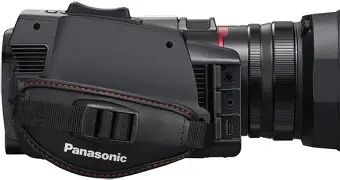
The Panasonic HC-X1200, by contrast, feels like a proper camcorder the moment you hold it. It's heavier, but that heft translates to confidence when I'm on my feet for 6–8 hour event days. The integrated zoom lever, ergonomic handgrip, and top handle controls are things I found myself relying on often. The HC-X1200’s menu is extensive but logical for broadcast-style shooting — I liked having waveform and other monitoring tools built into the interface without needing an external monitor for every day-to-day job.
Image quality and color
In my experience the Dwarf III delivers a noticeably cinematic rendition — smoother roll-off, pleasing skin tones, and a shallower depth of field with the lenses I used. I was pleasantly surprised by how well it handled highlight transitions; the footage felt film-like straight out of the camera when I kept exposure conservative. For narrative work and short films where I wanted subject separation and a softer background, the Dwarf III was my go-to.
The HC-X1200 produces very clean, consistent images with natural colors aimed at broadcast and corporate work. I noticed its colors required less grading for quick turnovers; footage looked presentable on a timeline within minutes. For run-and-gun coverage where I needed reliability across many lighting situations — ceremonies, speeches, press events — the Panasonic’s image delivered predictable results I could trust.

Low-light performance
Low-light was one area where my expectations diverged. I noticed that the Dwarf III, when paired with fast lenses, allowed me to push ISO reasonably well and retain a pleasing look, but noise was still present at higher settings. I relied on fast primes and careful exposure more than on heavy ISO boosting. One thing that bothered me during night shoots was that on-camera stabilization wasn't as forgiving, so I had to either bring a gimbal or lean heavily on lenses with stabilization.
The HC-X1200 surprised me with its usable low-light performance for a camcorder of its class. Noise handling is conservative but practical; it loses fine shadow detail earlier than the Dwarf III, but the built-in stabilization and longer zoom meant I could still get steady, serviceable shots in dim churches and dimly lit halls without swapping lenses. In short, the Dwarf III gives a more cinematic look in low light when you optimize lenses and exposure, while the HC-X1200 is more of a one-camera solution that gets the job done in mixed lighting.
Shop the latest Cameras & Photography picks on Amazon.
See Deals →Autofocus, stabilization, and ergonomics in use
I tested autofocus in both on handheld and tripod setups. I noticed the HC-X1200's autofocus is tuned for continuity — it follows faces and subjects in a pleasing way for event coverage and rarely hunts dramatically. The zooming ergonomics with the HC-X1200 are a strong suit; the variable-speed zoom lever made it easy to pull subtle pushes during speeches without drawing attention.
With the Dwarf III I almost always switched to manual focus for creative control, and I appreciated the focus peaking and waveform tools for critical exposure and focus checks. Autofocus is available and workable, but if you want the Dwarf III to sing, a manual focus approach with a follow focus is where you get the best results. As for stabilization, the HC-X1200’s in-body/optical support kept many of my handheld shots acceptably smooth. The Dwarf III benefited far more from external stabilization solutions in my shoots.
Audio and connectivity
One specific thing I appreciated about the HC-X1200 was the integrated XLR inputs and straightforward audio menus. For run-and-gun jobs where I needed to record podium audio or lapel mics, being able to plug directly into the camera and monitor levels visually is a huge convenience. I used the HC-X1200 at three weddings where the onboard XLRs saved me from hauling an extra recorder, and I noticed consistently clean feeds.
The Dwarf III has a cleaner, more modular approach — mic input, headphone out, and often an option to feed from external recorders. In my experience, I ended up pairing the Dwarf III with a separate field recorder for multi-channel shoots or when I wanted that finer control over audio latency and backups. The downside was the added setup complexity, but the upside was higher-quality multi-channel audio when it mattered.
Battery life and workflow
Battery life on the HC-X1200 was predictable in day-to-day use. I could shoot a half-day of event footage with a single spare battery and the camera’s power management. Swapping batteries mid-day is simple thanks to the camcorder form factor, and I liked the practical approach: large battery, long runtime, minimal fuss.
The Dwarf III’s compact design means smaller batteries and more frequent swaps. I noticed that for extended runs I needed a power solution — V-mount or larger capacity batteries — to avoid constantly changing plates. File workflow on the Dwarf III leaned toward more color grading and transcoding in post; I found myself allocating more time for color work, which is a factor if you’re doing turnaround-heavy projects.
Accessories and expandability
In my rigging experiments the Dwarf III felt more extendable. I built a small rig with matte box, rails, and a follow-focus that fit in a day bag. I liked that because I could turn the compact body into a very capable cinema setup within minutes. The HC-X1200 is extendable too, but its design is already a complete package — top handle, XLR input, ND filters — so I rarely felt the need to add much unless I was doing studio work.
Pros & cons: Dwarflabs Dwarf III
- Pros: Compact, cinematic image character; great manual control and tactile design; easy to rig; excellent rolling highlight response for filmic grading; interchangeable lens flexibility.
- Cons: Shorter native battery life; requires more accessories to be a complete solution for events; autofocus/stabilization not as forgiving for run-and-gun; workflow often requires more grading time.
Pros & cons: Panasonic HC-X1200
- Pros: Ergonomic camcorder layout that’s designed for long shoots; built-in XLRs and useful on-board monitoring tools; stable, reliable autofocus and zoom ergonomics; long battery life and straightforward workflow.
- Cons: Less cinematic shallow depth of field without additional lenses or adapters; image is more broadcast-neutral and may need grading for a more stylized look; larger and heavier to carry all day if you don’t need the extra features.
Side-by-side comparison
| Category | Dwarflabs Dwarf III (my experience) | Panasonic HC-X1200 (my experience) |
|---|---|---|
| Form factor | Compact, cinema-style body — designed for rigging and lenses | Traditional camcorder — integrated handgrip and top handle |
| Image character | Film-like, shallower depth of field with suitable lenses | Neutral, broadcast-ready straight out of camera |
| Low-light | Good with fast lenses; benefits from manual control | Practical and usable for events; stable results |
| Stabilization | Needs external stabilization for smooth handheld | Built-in stabilization keeps most handheld shots steady |
| Autofocus | Workable but I preferred manual focus for critical work | Reliable continuous AF for events and interviews |
| Audio | Good but I paired with an external recorder for safety | XLR inputs and easy audio monitoring — excellent for events |
| Battery life | Shorter; plan for external V-mount or spare batteries | Longer runtime; easy battery swaps during long shoots |
| Best use | Short films, narrative, B-cam for cinematic shoots | Event, documentary, corporate shoots with fast turnaround |
Buying guide — how to choose
Deciding which camera to buy really comes down to how you shoot and what your priorities are. Here’s how I think about it after months of using both.
Find top-rated Cameras & Photography products at great prices.
Browse Now →If you prioritize cinematic image and flexibility
Choose the Dwarf III if you want a compact camera that feels like a cinema tool. I appreciated this camera when I wanted to craft a look: controlling depth of field, using vintage primes, and pushing highlights for a filmic grade. If you enjoy building rigs, swapping lenses, and spending more time in post to achieve a stylized image, the Dwarf III rewards that attention. Be prepared to invest in batteries, a small rig, and maybe an external recorder for long shoots.
If you prioritize reliability and run-and-gun simplicity
Choose the HC-X1200 if your work includes long events, live coverage, or corporate shoots where consistent results and quick delivery are king. I noticed the HC-X1200 reduced my on-site stress: audio in the camera, reliable autofocus, and long battery life. If you need a single camera that performs well across a wide range of situations without much fiddling, this is the practical pick.
Budget & workflow considerations
I noticed that the Dwarf III often led me to invest more in glass and power solutions, which is something to factor into total cost. The HC-X1200, while heavier up front, minimized accessory purchases for those who want a complete package that just works. Consider whether you want to spend more time in post (Dwarf III) or get usable results straight out of the camera (HC-X1200).
Futureproofing and ecosystem
In my experience, the Dwarf III’s lens mount and modular nature make it an appealing long-term tool if you plan to grow your kit with lenses and support gear. The HC-X1200’s ecosystem is centered on camcorder accessories — shoulder rigs, top handles, and microphones — and that stability is valuable if your shoots are event-centric and you want predictable behavior year after year.
Final thoughts
After months of using both, I don’t see these as direct replacements for each other so much as complimentary tools that serve different jobs. I reach for the Dwarf III when I want a cinematic texture, when I’m working with lenses, or when aesthetic control is my top priority. I reach for the HC-X1200 when I need a trustworthy, self-contained camera for long days, quick turnarounds, and reliable audio and stabilization.
If I had to summarize my honest recommendation: pick the Dwarf III if you love crafting an image and don’t mind the extra accessories and post work; pick the HC-X1200 if you want dependable, all-day performance with fewer surprises. In my experience, both cameras became indispensable for different reasons — the Dwarf III for artistry, the HC-X1200 for dependability — and having both in the bag made me a more flexible shooter.