I Switched to the Sr80E Sr80 and Here is What Happened
In the expansive world of personal audio, few names carry as much weight or tradition as Grado Labs. Operating out of a modest facility in Brooklyn, New York, the Grado family has maintained a steadfast commitment to a specific sonic philosophy for decades. For many enthusiasts, the entry point into this prestigious lineage has long been the SR80 series. Recently, the transition from older generation headphones to the Sr80E and the subsequent refined iterations has sparked renewed interest in what makes an open-back dynamic headphone truly special. This article explores the journey of switching to the Sr80E, examining why this specific model remains a benchmark for audiophiles and casual listeners alike who are seeking a more intimate connection with their music.
The Sr80E represents a pivotal middle ground in the Grado Prestige Series. It is often the first "serious" headphone a listener purchases when they move beyond mass-market consumer brands. The experience of switching to this model is often described as a "revelation," not necessarily because it is the most expensive or technologically advanced piece of equipment, but because it challenges the listener's perception of what recorded music can sound like. By moving away from the closed-back, bass-heavy signatures that dominate the modern marketplace, the Sr80E offers a window into the raw, energetic, and transparent world of high-fidelity audio.
Understanding the Grado Engineering Philosophy
To understand the impact of switching to the Sr80E, one must first understand the engineering that defines it. Unlike most modern headphones that utilize closed plastic injection-molded housings to isolate the listener from the world, the Sr80E utilizes a signature open-back design. This means the back of the speaker driver is covered only by a fine metal mesh, allowing air and sound to move freely in both directions. This design choice is fundamental to the Grado sound, as it eliminates the standing waves and internal reflections that often muddle the mid-range in closed-back designs.
The "E" in the Sr80E series stands for the third generation of the Prestige line, which introduced a new polymer to dampen resonant distortions in the plastic housing. Furthermore, the drivers themselves undergo a proprietary de-stressing process to enhance detail retrieval. The voice coils are wound from ultra-high purity long-crystal copper, ensuring that the electrical signal from the amplifier is translated into physical movement with minimal resistance or loss of fidelity. These technical nuances might seem incremental, but when combined, they create a headphone that feels alive, responsive, and remarkably fast compared to its peers.
The Sonic Signature: Energy and Transparency
The primary sensation of switching to the Sr80E is one of immediate clarity. Listeners often report hearing instruments and subtle vocal inflections that were previously buried in the mix. This is due to the famous "forward" presentation of the Prestige Series. While many headphones try to create a "V-shaped" sound signature—where the bass and treble are boosted while the mids are recessed—Grado takes the opposite approach. The mid-range is the star of the show. Whether it is the grit of a distorted electric guitar or the breathy resonance of a jazz vocalist, the Sr80E brings the performance several steps closer to the listener's ear.
The treble is equally energetic. It is crisp, detailed, and airy, providing the "snap" that makes snare drums and cymbals feel visceral. However, this brightness is a double-edged sword; while it provides incredible detail, it requires a quality source. Low-bitrate files or poorly mastered recordings may sound harsh or "fatiguing" over long listening sessions. Conversely, high-quality lossless tracks reward the listener with a level of sparkle and definition that is rarely found at this price point. The bass, meanwhile, is tight and melodic. It does not possess the "thump" or sub-bass rumble of a closed-back studio monitor, but it offers a realistic texture that allows the listener to follow bass lines with surgical precision.
Real-World Use Cases and Buyer Expectations
The Sr80E is a specialized tool, and switching to it requires a change in listening habits. It is not a headphone for commuting, nor is it a headphone for the office. Because of the open-back design, it leaks sound significantly; someone sitting three feet away will hear exactly what you are listening to. Furthermore, it provides zero isolation from ambient noise. If you are in a loud coffee shop, the noise of the espresso machine will blend directly into your music. For many buyers, this is a deal-breaker, but for the dedicated home listener, it is a necessary compromise for the sonic benefits provided.
Real-world use cases typically involve a quiet room, a comfortable chair, and a dedicated listening session. Buyers who care about "soundstage"—the perception of where instruments are located in a three-dimensional space—will find the Sr80E fascinating. While the stage is not as wide as some high-end Sennheiser models, it is exceptionally deep and "out of the head." It creates the illusion that the music is happening in the room around you rather than inside your cranium. This makes it an excellent choice for live recordings, acoustic sets, and classic rock, where the energy of the room is part of the performance.
Discover deals on Audio & Headphones — updated daily.
Shop Amazon →Pros and Cons of the Sr80E
- Exceptional Mid-range Detail: The Sr80E excels at reproducing vocals and stringed instruments with a level of intimacy that makes the listener feel as if they are in the front row of a concert.
- Fast Transient Response: Thanks to the light driver assembly and open-back design, the headphones respond instantly to changes in the music, making them feel energetic and "fast."
- Lightweight Design: The simple construction makes these headphones very light on the head, allowing for hours of use without significant neck strain.
- Easy to Drive: With a low impedance, these headphones do not require a massive external amplifier to sound good; they can be powered effectively by a high-quality portable player or a standard laptop jack.
- Modular and Repairable: Grado headphones are famous for their simple construction, making it easy for users to swap ear pads (cushions) to "tune" the sound to their preference.
- Sound Leakage: The open-back design means these are strictly for private listening; they provide no privacy for the listener and no isolation from the environment.
- Polarizing Ergonomics: The "on-ear" (supra-aural) design and the somewhat stiff foam pads can be uncomfortable for some users, particularly those with larger ears or those who wear glasses.
- Bass Limitations: Users coming from consumer-grade headphones may find the bass lacking in absolute volume and "impact," as it favors accuracy over quantity.
- Fixed Cable: The heavy-duty cable is non-detachable, which means if the cable fails, the headphones require professional repair or soldering skills to fix.
Comparison of the Prestige Series Models
When switching to a Grado, many listeners wonder if the Sr80E is the right "sweet spot" compared to the models immediately above and below it in the lineup. The following table highlights the key differences between the entry-level Prestige models to help buyers understand the value proposition of the SR80 series.
| Feature | SR60e | SR80e | SR125e |
|---|---|---|---|
| Driver Matching | Matched to .1dB | Matched to .1dB | Matched to .1dB |
| Voice Coil Wire | Standard Copper | UHPLC Copper | UHPLC Copper |
| Frequency Response | 20Hz - 20kHz | 20Hz - 22kHz | 20Hz - 22kHz |
| Cushion Type | S-Cushion (Comfy) | S-Cushion (Comfy) | S-Cushion (Comfy) |
| Tonal Balance | Warm/Smooth | Balanced/Detailed | Bright/Analytical |
As seen in the table, the Sr80E introduces Ultra-High Purity Long Crystal (UHPLC) copper in the voice coils, which is a significant upgrade over the SR60e. This change results in a wider frequency response and better resolution, particularly in the treble. While the SR125e further refines the internal wiring and driver stability, many enthusiasts feel the Sr80E provides the best "price-to-performance" ratio in the entire range, offering a true audiophile experience without reaching the point of diminishing returns for a beginner.
A Comprehensive Buying Guide for the SR80 Series
If you are considering making the switch to the Sr80E or its newer variants, there are several factors to keep in mind to ensure the best possible experience. Understanding the ecosystem surrounding these headphones will help you avoid common pitfalls and get the most out of your investment.
1. Considering the Source Equipment
While the Sr80E is easy to drive, it is also highly transparent. This means it will reveal the limitations of your source. If you are listening to low-quality streams on an older smartphone, the headphones may sound thin or grainy. Investing in a modest Digital-to-Analog Converter (DAC) or using high-resolution audio files can significantly improve the "body" and "smoothness" of the sound. The goal is to provide a clean, high-voltage signal that allows the drivers to move with precision.
2. The Importance of "Burn-In"
The Grado community often debates the concept of "burn-in"—the idea that the mechanical parts of the headphone need time to "settle" through use. For the Sr80E, many users find that the headphones sound slightly "stiff" or overly bright out of the box. After 50 to 100 hours of playback, the driver surrounds often become more supple, resulting in a slightly smoother treble and a more cohesive bass response. Whether this is a physical change in the equipment or a psychological adjustment of the listener's brain is debated, but the consensus is that the headphones improve with use.
3. Cushion Swapping (Pad Rolling)
One of the unique aspects of owning a Grado is how much the ear pads influence the sound. The Sr80E typically comes with the "S-Cushion," which is a solid piece of foam that sits on the ear. However, you can easily purchase "L-Cushions" (which have a hole in the middle) or "G-Cushions" (which are large and over-ear). Switching to L-Cushions usually increases the perceived soundstage and treble detail but may reduce bass impact. This modularity allows the user to customize their listening experience in a way that few other brands allow.
4. Ergonomics and Comfort Adjustments
The headband of the Sr80E is a simple spring-steel band covered in vinyl. It can be quite tight initially. A common tip among long-time owners is to gently bend the metal band outward to reduce the clamping pressure on the ears. Because the headphones are so light, they do not need much force to stay in place. Adjusting the "fit" is a rituals of Grado ownership that can transform the headphones from "uncomfortable after 30 minutes" to "wearable for half a day."
Looking for the best Audio & Headphones deals on Amazon?
See Deals →Living with the Sr80E: Detailed Analysis
The long-term experience of using the Sr80E is vastly different from the high-tech, feature-rich experience offered by modern wireless ANC (Active Noise Canceling) headphones. There are no firmware updates, no apps, and no batteries to charge. There is a certain "analog" joy in this simplicity. When you plug the thick, sturdy cable into an amplifier, you are engaging with a legacy of sound reproduction that values the emotional impact of music over the convenience of modern technology.
The Sr80E is particularly adept at handling "the wall of sound" found in complex rock tracks. Where other headphones might struggle to separate the layers of guitars, the Grado keeps them distinct and intelligible. This is why they are often cited as the "best rock headphones" in their price bracket. The way they handle the attack and decay of a guitar string is almost hauntingly realistic. However, for genres like modern EDM or trap, where sub-bass extension is the primary focus, the Sr80E may feel underwhelming. It is a headphone that asks you to listen to the *instrumentation* rather than just the *vibration*.
Durability is another factor that becomes apparent over time. While the headphones look "retro" and perhaps even "flimsy" to the uninitiated, they are surprisingly robust. The lack of moving parts, hinges, or delicate electronics means there is very little that can actually break. The most common point of failure is typically the foam ear pads, which naturally degrade over several years of use. Fortunately, these are inexpensive and easy to replace, essentially resetting the headphones to like-new condition. This longevity is a major selling point for those tired of the "disposable" nature of modern consumer electronics.
The Evolution to the 'X' Series
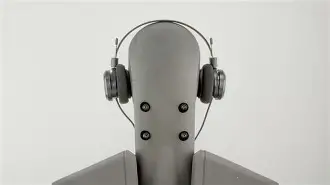
While the Sr80E was the standard for years, Grado has since introduced the "X" series (SR80x). Switching to the newer iteration brings a few notable changes, including a much-improved braided cable and a new "F-Cushion" in some markets. The drivers have also been further refined with a more powerful magnetic circuit. If you are looking for the Sr80E today, you will likely find the SR80x as its direct successor. The core DNA remains identical: the same open-back clarity, the same Brooklyn heritage, and the same focus on mid-range transparency. The "X" series is slightly smoother in the treble, addressing one of the few critiques leveled against the "E" series, but it retains the energetic "house sound" that fans have loved for decades.
Conclusion
Switching to the Sr80E is more than just a change in hardware; it is a shift in perspective. It forces the listener to slow down, find a quiet space, and truly listen to the nuances of their favorite albums. While it lacks the convenience features of modern wireless gear and the isolation required for travel, it offers a sonic honesty that is increasingly rare in the age of digital signal processing and artificial bass boosting. The Sr80E doesn't try to hide the flaws in a recording; it presents the music as it is—raw, vibrant, and alive.
For the aspiring audiophile, the Sr80E stands as a rite of passage. It teaches you how to hear the "air" around a vocalist and the "bite" of a brass section. It introduces the concept of soundstage and imaging in a way that is immediately tangible. Even for those who eventually move on to headphones costing thousands of dollars, there is often a pair of Grados sitting on the shelf, ready for those moments when you just want to feel the energy of a live performance. In a world of increasing complexity, the Sr80E remains a testament to the power of simple, purposeful engineering and a reminder that, ultimately, the music is what matters most.